Cold Plunge Electrical Requirements: What Each Manufacturer Actually Publishes
By Evan Reid, with research from the HPG Research Team · Updated Oct. 4, 2026
Morning dips on the patio begin with a circuit chosen before the tub arrives. Every current residential model we read runs on 120 volts, on a 15 or 20 amp circuit most makers say must be dedicated. Cold plunge electrical requirements fit on a five-line checklist: voltage, amps, whether the circuit is dedicated, where the GFCI sits and the plug.
Two makers print all five. Sun Home's Cold Plunge Pro spec sheet lists 120V, 12A, a NEMA 5-15P plug and a dedicated 15 amp GFCI circuit. BlueCube lists 110/120V, a dedicated 20 amp circuit, a self-testing GFCI plug and a NEMA 5-20P plug for the C1 and Drop.
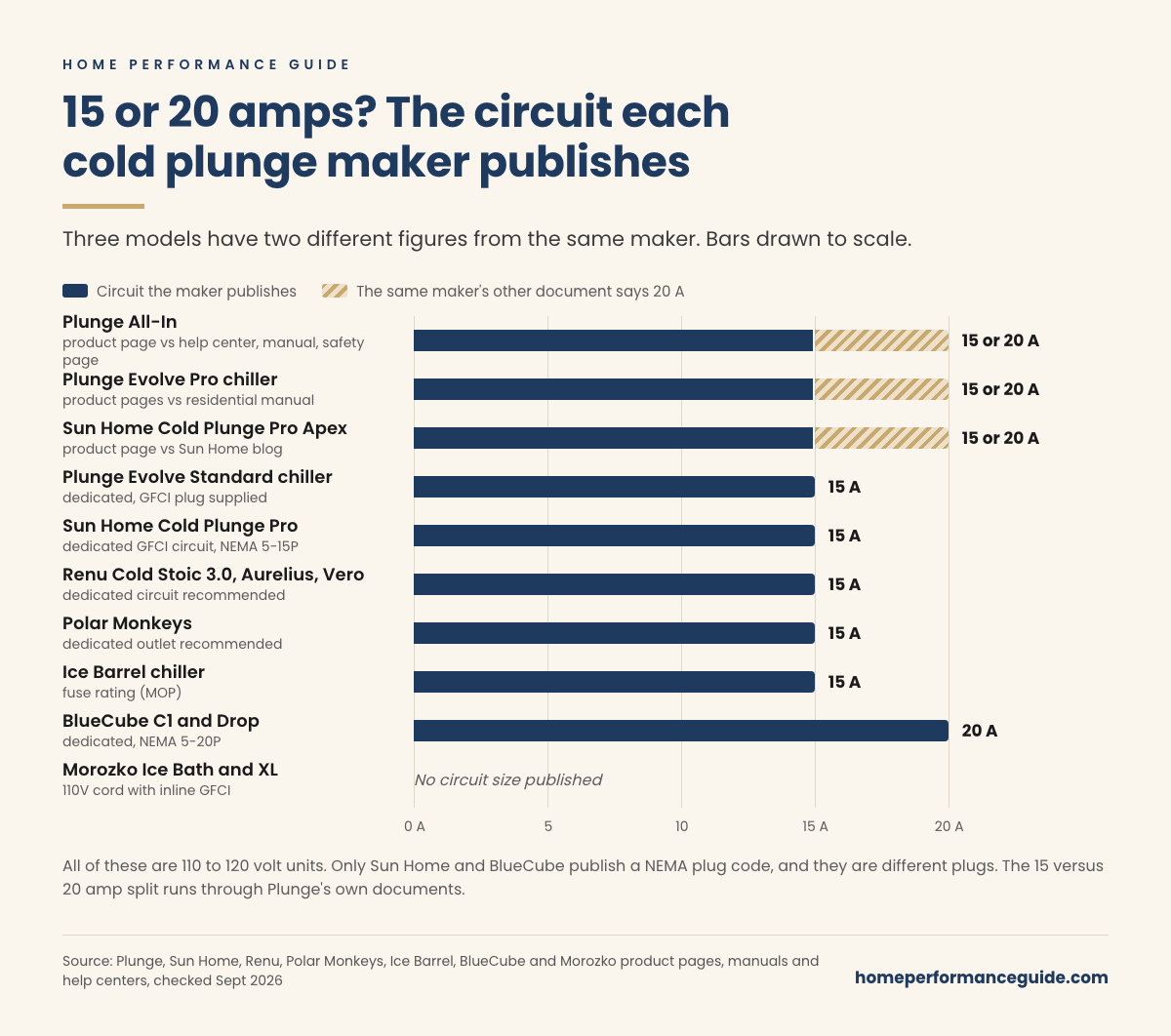
Two makers contradict their own documents on the amp figure. Plunge gives its All-In 20 amps in four documents, 15 on its product page. Sun Home's blog asks 20 amps for the Apex and other 120V units; its product pages say 15. Ask in writing before the circuit goes in.
Quick picks by circuit:
- The spot can have a dedicated 15 amp GFCI circuit: Sun Home's Cold Plunge Pro. Its GFCI goes on the circuit, so it's part of the electrician's quote. See the lineup at Sun Home Saunas
- Your electrician is running a dedicated 20 amp circuit: BlueCube's C1 or Drop.
- The nearest outlet is out of the cord's reach: plan a new outlet. Plunge's help center prohibits extension cords.
Cold plunge electrical requirements: the short answer
Some brands write the supply as 110 or 115 volts; it is the same nominal 120 volt supply. The rest varies by model, and a good deal of what you'll read online contradicts the manufacturers' own documents.
So the answer you can act on is a short process. Get the current installation manual for the exact model, read it next to the product page, and if they disagree, get the manufacturer's answer in writing before an electrician quotes the job.
Plunge's own help center explains why that matters: "A circuit below your model's required amperage, a shared circuit, or an extension cord can cause trips, overheating, unreliable operation, and loss of warranty coverage."
What this means for you: on a Plunge, the wrong circuit can cost you warranty coverage, so give the electrician your model's manual before you order.
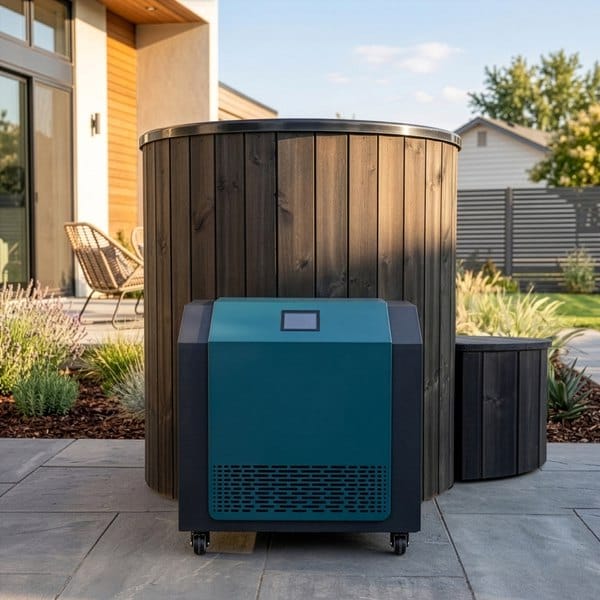
The tub in that photo is the SaunaLife S1. As of October 11, 2026, SaunaKits' product page lists its chiller at 110 to 120 volts with a GFCI cord and plug. It says the S1 works with a standard outlet but gives no amp figure, so ask SaunaKits for the circuit in writing before you order.
What does each cold plunge maker publish for the circuit?
Find your model and read across; a row with two amp figures is a question to send the maker.
| Model | Voltage | Circuit | Dedicated? | GFCI | Plug |
|---|---|---|---|---|---|
| Plunge All-In | 120V | 20A (help center, manual, safety page) or 15A (product page) | Required | On the supplied cord | Not published |
| Plunge Evolve Standard chiller | 120V | 15A | Required | GFCI plug supplied | Not published |
| Plunge Evolve Pro chiller | 120V | 20A (residential manual) or 15A (commercial manual, product pages) | Required | GFCI plug supplied | Not published |
| Sun Home Cold Plunge Pro | 120V, 12A rated | 15A GFCI circuit | Required | On the circuit | NEMA 5-15P |
| Sun Home Cold Plunge Pro Apex | 120V, 12A | 15A GFCI circuit (product page) or 20A (Sun Home blog) | Required | GFCI outlet | NEMA 5-15P |
| Renu Cold Stoic 3.0, Aurelius, Vero | 120V | 15A | Recommended | Not stated on spec page | Standard 3-prong |
| BlueCube C1 and Drop | 110/120V | 20A | Required | Self-testing GFCI plug | NEMA 5-20P |
| Polar Monkeys | 120V | 15A | "Dedicated outlet" recommended | GFCI plug included | Not published |
| Ice Barrel chiller | about 115V | 15A fuse rating (MOP) | Not published | GFCI module on the cord | Not published |
| Morozko Ice Bath and XL | 110V (120V on its set-up page) | Not published | Not published | Inline GFCI on the cord | Standard 3-prong |
Two things stand out. Only Sun Home and BlueCube publish a NEMA plug code, and they are different plugs. And the 15 versus 20 amp split cuts across brands, right through the middle of Plunge's own documents.
A published plug code tells your electrician which receptacle to quote. Plunge, Polar Monkeys and Ice Barrel publish no plug type, so add it to your questions.
Does a cold plunge need a 20 amp circuit?
It depends on the model, and for two brands it depends on which of their pages you read.
Plunge, 20 amps: "Every Plunge cold-plunge product requires its own dedicated circuit - 20 amps for the Plunge All-In and Evolve Pro, 15 amps for the Evolve Standard." That is the help center. The All-In manual agrees: "plug your Plunge into an outlet with a dedicated 120V 20 amp circuit."
Plunge, 15 amps: "Your Plunge All-In will need to be plugged into an outlet with a dedicated 120V 15A circuit." That is the All-In product page, the page a buyer reads before ordering.
The Evolve Pro chiller has the same split. Its residential manual says a "dedicated 120V 20A" outlet and a "suitable 20A circuit breaker." The Evolve XL Commercial manual, for the same chiller, says "dedicated 120V 15A" and a "suitable 15A circuit breaker."
Confirm before you order: on a Plunge All-In or an Evolve Pro chiller, plan around 20 amps. For the All-In, the four documents that say 20 are the ones that deal with installation, safety and troubleshooting; for the Evolve Pro, it's the residential manual. Ask Plunge in writing which figure applies to your unit before the circuit goes in. Once Plunge confirms it in writing, the All-In is ready to order.
Checkpoint: the circuit. On a dedicated 15 amp circuit, your list is the 15 amp models: Sun Home's Cold Plunge Pro (on a GFCI circuit), Renu's Cold Stoic 3.0, Aurelius and Vero, Polar Monkeys and Plunge's Evolve Standard. If your electrician is running a dedicated 20 amp circuit, your list is BlueCube's C1 and Drop, plus the Plunge All-In that four Plunge documents put at 20 amps. Settle this first.
Sun Home's blog disagrees with its spec sheet
Two things to confirm before you order: the Pro Apex's circuit, and which instruction governs the inflatable Cold Plunge Standard.
Sun Home's spec sheet for the Cold Plunge Pro is specific: "RATED ELECTRICAL 120V / 12A", "PLUG NEMA 5-15P", "Dedicated 15 Amp GFCI Circuit." Its product pages for the Pro and the Pro Apex say the same thing.
Sun Home's blog post on cold plunge electrical requirements says something else. It states that the Cold Plunge Pro Apex, among other 120V units, needs "a 20A GFCI household circuit," and its receptacle table lists the Apex under NEMA 5-20R.
Sun Home publishes more electrical detail than almost anyone in this survey, including rated amps and plug type. The spec sheet is dated September 2026 and is the document to plan from. The blog is the one that disagrees with it.
Confirm before you order: plan the Apex from its product page, which matches the spec sheet, and ask Sun Home in writing whether the blog's 20 amp circuit and 5-20R receptacle apply. If Sun Home won't put it in writing, the product page and the September 2026 spec sheet are still the documents to plan from.
For the inflatable Cold Plunge Standard, Sun Home publishes three different instructions:
- The blog: "a GFCI outlet with an 11A breaker minimum."
- The help center page for the Standard: "Plug into a GFCI outlet (110-120V) on a dedicated 15A GFCI circuit."
- The help center's electrical overview, which disagrees with itself: its quick-reference table lists the Standard as "Dedicated 15A GFCI," while its detailed section says only "GFCI-protected outlet required."
For the Standard, plan on the strictest of the three, a dedicated 15A GFCI circuit, and ask Sun Home which governs.
The short version: plan from the spec sheet and the product pages, and the Apex can go on order after Sun Home's answer.
See the lineup at Sun Home Saunas
Does a cold plunge need a dedicated circuit?
The manufacturers do not agree on how strongly to say it.
BlueCube calls it a code requirement: "The Drop needs a dedicated 110/120V, 20-amp circuit - required by NEC code for cold plunges."
Renu calls it a recommendation: "A dedicated circuit is recommended."
Polar Monkeys recommends a dedicated outlet: "For best performance, use a dedicated outlet with no other devices connected."
Nurecover's own comparison page goes the other way entirely: "Every system in our test plugs into a standard 110V outlet and connects via hoses. No plumber. No electrician."
Two notes on that.
First, a dedicated outlet and a dedicated circuit are different things. An outlet can sit alone on a wall and still share a circuit with the rest of the room. Plunge defines the term precisely: "The term 'dedicated' means that the electrical circuit for the Plunge is not being used for any other electrical items."
Second, the claim that the National Electrical Code requires a dedicated circuit for cold plunges is repeated widely, including by BlueCube and by contractor and retailer pages that rank for this question. We have not verified it against the code text, so we are not repeating it as fact. Which code edition applies, and how it treats a cold plunge, is a question for your electrician and your local inspector.
What this means for you: Plunge, Sun Home and BlueCube require a dedicated circuit, and Renu recommends one, so have the electrician price one in.
Does a cold plunge need a GFCI?
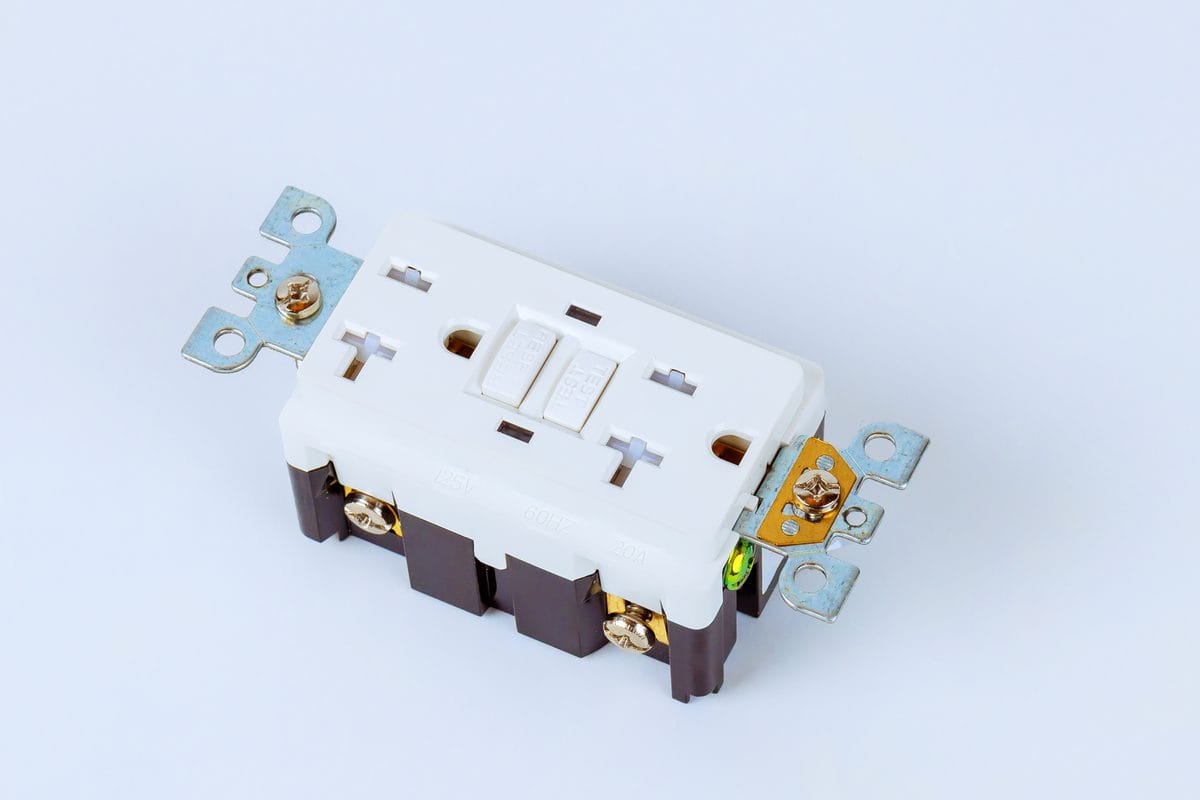
Every manufacturer here that addresses it either ships GFCI protection or calls for it. Where the protection sits is what differs.
- On the cord: Plunge, BlueCube, Ice Barrel, Polar Monkeys and Morozko all put a GFCI on the power cord or supply one as a plug.
- On the circuit or outlet: Sun Home specifies a GFCI circuit and a GFCI outlet.
So with a Sun Home plunge, the GFCI is part of the electrician's quote. The cord-mounted brands ship theirs in the box.
Plunge adds a step for every session: "The GFCI must be tested before each use."
One thing nobody publishes: whether a cord GFCI plugged into a GFCI outlet or breaker is fine, or causes nuisance tripping. You will read confident answers either way online. None of them trace to a manufacturer document we could find. If your electrician plans GFCI protection at the panel and your unit also has one on the cord, ask the manufacturer.
Can you plug a cold plunge into an extension cord?
Mostly no, and Plunge says both.
Plunge's help center: "Extension cords are prohibited. Do not use an extension cord for normal operation or temporary testing."
Plunge's Plunge Pod product page: "Built-in 15 ft power cord (extension cord: 12-gauge, max 25 ft)."
Sun Home, for the Apex: "Extension cords: Not supported."
If you are buying a Plunge unit and the outlet is out of reach, settle the cord with Plunge before you buy one (the third question below).
Renu, BlueCube, Morozko and Ice Barrel publish no extension cord rule we could find. Polar Monkeys' install guide tells you to plug the chiller "into the GFCI extension," but that appears to be the GFCI part supplied in the box. Don't read it as permission to use a general extension cord.
What this means for you: if the cord can't reach an outlet, plan a new one.
How far does a cold plunge have to be from an outlet?
On a Plunge, at least 6 feet. Plunge publishes two distances, and the larger one satisfies both documents. For other brands, check your model's manual for a distance before the electrician places the outlet.
The All-In manual says: "Install Plunge at least 1.5 meters (5 feet), from all electrical outlets and appliances." The All-In safety page says "at least 1.8 meters (6 feet)," and adds that the plug must be "readily accessible and visible to the Plunge occupant."
Chillers also need air. Sun Home's Apex manual asks for "at least 12 inches of free space around the machine, and 36 inches from the front grate." Renu publishes 27 inches at the large vent and 15 at the small one for the Cold Stoic. Plunge wants 16 inches on the fan side of the All-In.
Tape out the tub, the chiller's clearances and the outlet, within the cord's reach. On a Plunge, keep that outlet at least 6 feet from the tub, with the plug readily accessible and in view of the person in the tub.
How much power does a cold plunge actually draw?
Few manufacturers publish it.
Find your model in the first column and set its draw against the circuit you're planning; if it isn't here, ask its maker for the running draw.
| Model | Published draw |
|---|---|
| Sun Home Cold Plunge Pro | 12A rated (current spec sheet). An earlier Sun Home information page lists 1,150W input power for a prior refrigerant version. |
| Renu Cold Stoic 3.0 and Aurelius | "Hot to Cold": 518 watts at 6.1 amps. "Cold to Hot": 1,013 watts at 8.6 amps |
| Renu Vero | Cooling mode: 580 watts at 5 amps. Heating mode: 1,100 watts at 10 amps |
| Renu Cold Stoic 2.0 and Siberian Pro | 350 to 500 watts at 3 to 5 amps, cool only |
| Ice Barrel chiller | "6 amps during cooling" (marketing figure; fuse rating 15A) |
Plunge publishes circuit sizes but no running watts or amps for any current model. Neither does BlueCube, Polar Monkeys or Morozko.
Renu alone here publishes watts for each mode, the figures a running-cost comparison needs.
Two figures circulating on page one do not survive this table. One retailer says most cold plunge systems "draw between 12 to 20 amps." Only one figure here even reaches that range: Sun Home's 12A rating, at the very bottom of it. Every other published draw is lower.
Another retailer says most tubs have "a 3-5 amp draw, translating to around 350-500 watts." That matches exactly two Renu models.
The 240V, 30 to 60 amp figures you will see quoted for residential units trace to none of the manufacturers in this survey. Every current US residential model here is a 120V unit.
The short version: size the circuit to your maker's own figure, and ask where any 240 volt quote for a residential plunge came from.
Which cold plunge to get once the circuit is settled
Match the plunge to the circuit you settled above: Sun Home's Cold Plunge Pro on a dedicated 15 amp GFCI circuit, BlueCube's C1 or Drop on a dedicated 20 amp one. They are the two makers here that print a NEMA plug code, the line your electrician quotes the receptacle from.
Picture a gray morning in late fall, with the patio still wet from the night's rain and the first light on the fence. The tub sits where you taped it out, its plug in view under the in-use cover. You press the test button on the GFCI. Then you pull back the cover and lower yourself in.
Sun Home Cold Plunge Pro: for a dedicated 15 amp GFCI circuit
Sun Home makes the Cold Plunge Pro and Pro Apex covered above, and the Pro is our pick for a dedicated 15 amp GFCI circuit. Its spec sheet prints all five lines your electrician quotes from, and its product pages say the same. The Apex lists the same 120V, 12A and NEMA 5-15P, and its manual adds the chiller's clearances.
- Best for: a spot where your electrician can run a dedicated 15 amp GFCI circuit, with a receptacle for the NEMA 5-15P plug.
- Skip it if: the only circuit near the spot is shared. The spec sheet calls for a dedicated 15 amp GFCI circuit.
- Main compromise: Sun Home's blog puts the Pro Apex, among other 120V units, on "a 20A GFCI household circuit," where the spec sheet and product pages say 15.
Ask Sun Home whether the blog's 20 amp circuit applies to the Pro (the fourth question below). If Sun Home won't confirm it and your electrician can run a dedicated 20 amp circuit, BlueCube's C1 or Drop avoids the question: BlueCube publishes one circuit and one plug code for both. On a 15 amp spot, the September 2026 spec sheet stays the document to plan from. When Sun Home confirms the circuit, order the Pro.
Check the lineup at Sun Home Saunas
BlueCube C1 or Drop: for a dedicated 20 amp circuit
Get the C1 or Drop if your electrician is running a new dedicated 20 amp circuit. BlueCube publishes 20 amps for both, with a NEMA 5-20P plug and a self-testing GFCI plug on the cord, so the documents and the wiring match.
- Best for: a new dedicated 20 amp circuit, with the GFCI arriving on the cord.
- Skip it if: the spot can only have a 15 amp circuit.
- Main compromise: BlueCube publishes no running watts or amps, and its claim that the code requires a dedicated circuit is one we haven't verified.
Ask BlueCube for the installation manual for your model before the electrician quotes.
Send these questions before you order
Paste the ones for your model into an email to the maker, and keep the reply for your electrician.
- Plunge, All-In: your help center, All-In manual, safety page and troubleshooting article call for a dedicated 20 amp circuit, and the All-In product page says 15A. Which applies to this unit?
- Plunge, Evolve Pro chiller: the residential manual says a dedicated 120V 20A outlet, and the commercial manual and product pages say 15A. Which applies to a residential install?
- Plunge, any model: your help center prohibits extension cords, and the Plunge Pod page lists a 12-gauge cord up to 25 ft. Is any extension cord allowed with this model?
- Sun Home, Cold Plunge Pro or Pro Apex: the spec sheet and product pages list a dedicated 15 amp GFCI circuit, and your blog lists 20A for the Apex and other 120V units, with a NEMA 5-20R receptacle for the Apex. Which should the electrician install for this model?
- Sun Home, Cold Plunge Standard: your blog, the Standard's help center page and the electrical overview give three different instructions. Which one governs?
- Any maker with a GFCI on the cord: if the electrician also puts GFCI protection at the panel or the outlet, is that fine, or will it cause nuisance tripping?
- Plunge, Polar Monkeys or Ice Barrel: which plug does this unit ship with, so the electrician can quote the right receptacle?
Before you order
In this order, one electrician visit should cover it.
- Pick the exact model. The brand isn't enough.
- Download the current installation manual, and read it next to the product page.
- Write down five things: voltage, circuit amps, whether it must be dedicated, where the GFCI sits, and the plug type.
- If the documents disagree, email the manufacturer and keep the reply. The questions above are ready to paste.
- Give your electrician both documents and the reply, plus the distance from the panel along the route a wire would actually take.
- For an outdoor install, ask about a weather-rated outlet with an in-use cover. Plunge and Sun Home both call for outdoor outlet protection. If the plunge stays out all winter, our guide to running a cold plunge outside in winter covers what the makers say about freezing weather and power cuts.
- Then order. If the circuit is the dedicated 15 amp GFCI one Sun Home's spec sheet calls for and Sun Home has confirmed it, check the lineup at Sun Home Saunas. On a dedicated 20 amp circuit, it's BlueCube's C1 or Drop, once BlueCube's manual for your model matches.
Electrical is half the installation question. The other half is whether the floor can take a tub that weighs roughly 800 to more than 2,500 pounds filled. Our guide to cold plunge floor load covers that side, including a manufacturer whose two published weights are 2,000 pounds apart.
Planning a sauna for the same room? See home sauna electrical requirements for the 240V side. For a home hyperbaric chamber, see hyperbaric chamber electrical requirements and home hyperbaric chamber cost.
Your next step
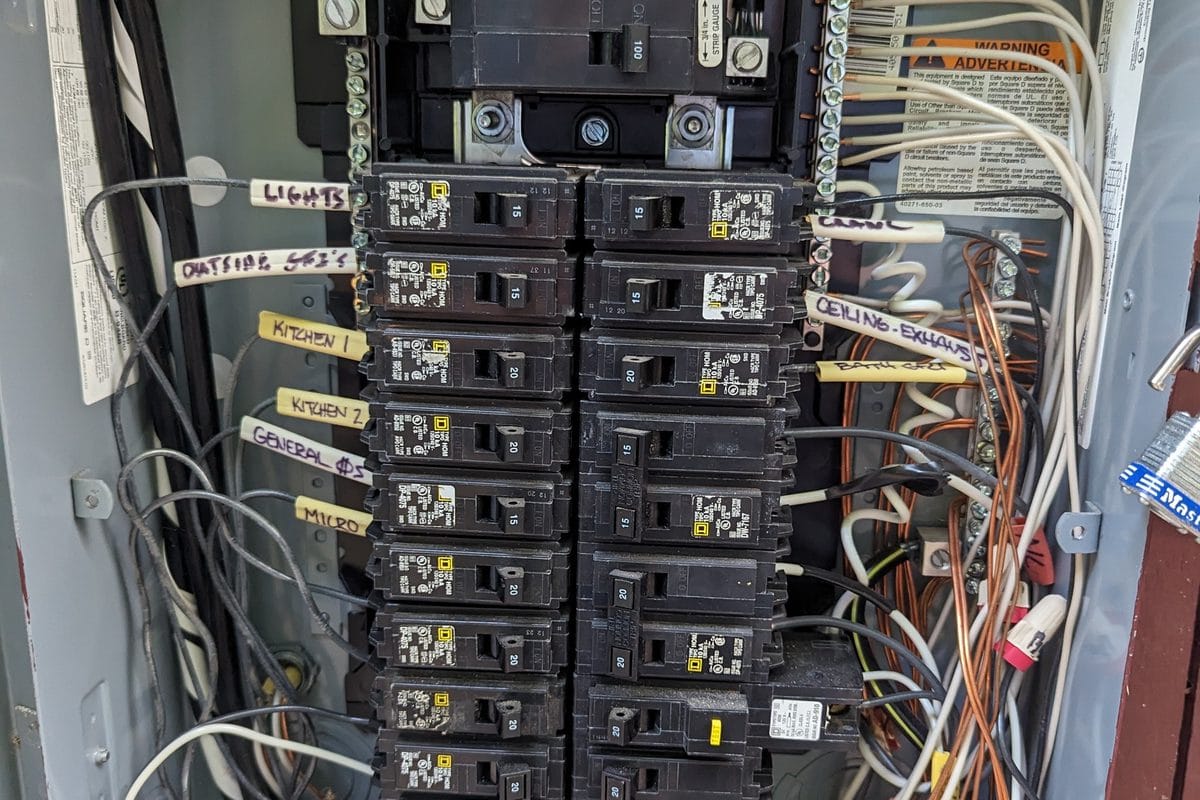
Tonight, measure the route a wire would take from your panel to the tub's spot, and photograph the panel for the electrician.
Floor load, chiller airflow, drainage for roughly 90 to 180 gallons and door widths sit beside the circuit on one list. That list runs to about a dozen entries, and together they tell you if the room is right for a cold plunge.
Running cost belongs on it too. At the July 2026 U.S. power price, the wattages makers publish come to about $15 to $51 a month at 8 hours a day by our arithmetic, plus water and filters. How much it costs to run a cold plunge shows the work.
To check the list item by item, the free planner gives you thirteen measurements to take before you shop, each tied to its manufacturer specs and code references.
Get the free Home Performance Room Planner
We read the makers' own documents cited above, checked September 2026, and did not test these plunges. This is general information, not electrical, code or medical advice. Follow your unit's installation instructions, and have a licensed electrician do the wiring to your local code. Home Performance Guide earns a commission on some links here, including Sun Home and SaunaKits, at no extra cost to you (affiliate disclosure, editorial standards).
Get the Room Planner.
Thirteen measurements to take before you buy sauna or recovery equipment, with the manufacturer specs and code references behind each one. Free. Planning a golf simulator instead? There is a twelve-measurement golf planner too.
ABOUT
Verified buyer guides for home sauna, cold plunge and recovery equipment. Specs from the manufacturers, not from other blogs.